The Magic Behind Every Game: How Game Design Creates Unforgettable Worlds
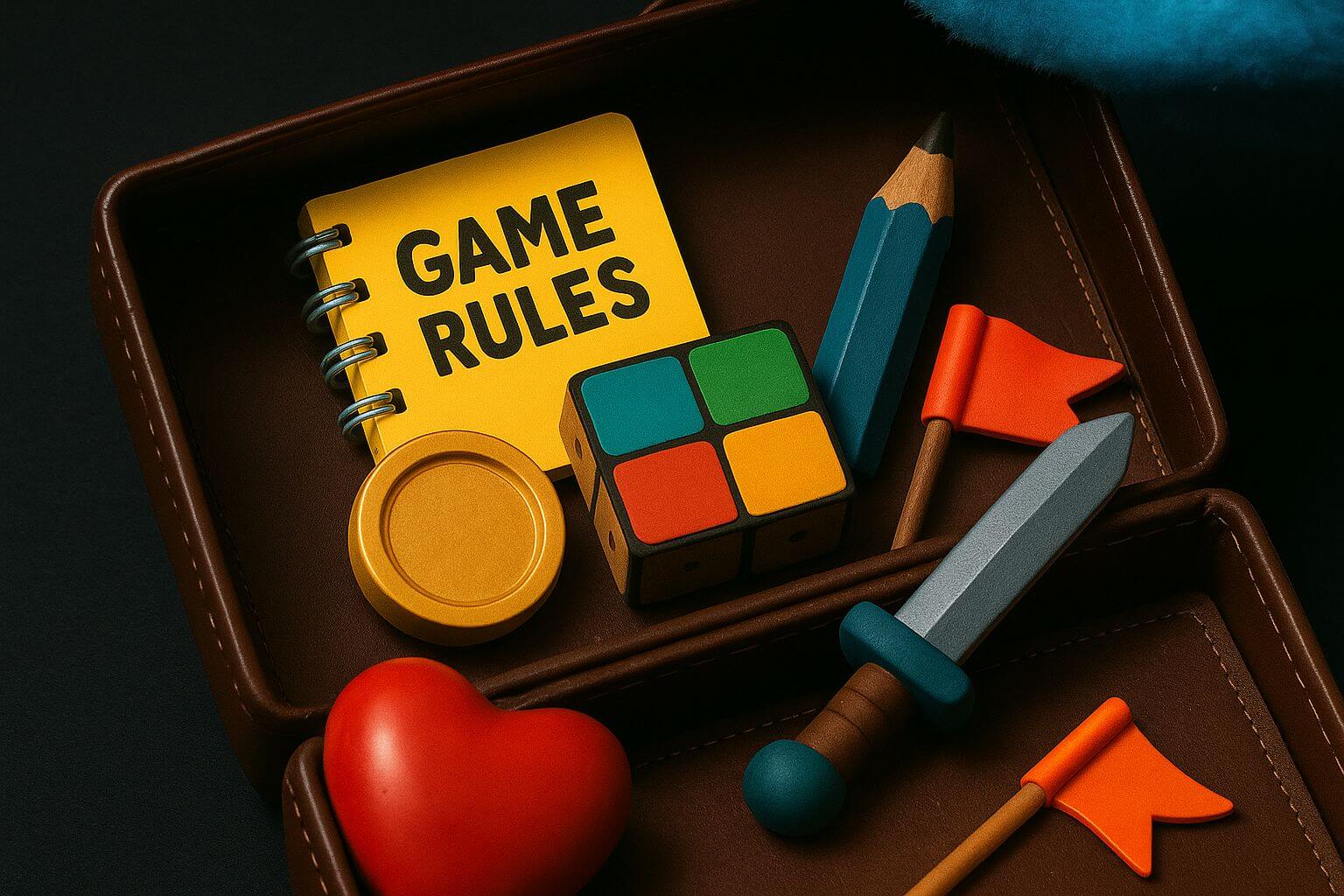
Game design is the process of planning a game's rules, mechanics, objectives, and overall player experience. It involves structuring levels, crafting the story, designing challenges, and defining how players interact with the game world.
No. You don’t need programming skills to start learning game design. However, basic knowledge of programming logic can help understand implementation better. Analytical thinking, creativity, and understanding games are more important.
Graphic design focuses on the visual appearance of a game, such as characters, environments, and UI, while game design is about the structure and overall player experience within the game.
Look at elements like gameplay, challenges, rewards, level design, storytelling, and interactions. Games that balance all these elements usually have strong game design.
Games like Celeste, Hollow Knight, and The Last of Us are excellent examples of successful design, known for precise gameplay, compelling stories, and smart player interactions.
Poor design can frustrate, confuse, or bore players. Unbalanced levels, repetitive gameplay, or illogical difficulty can significantly diminish the player’s experience.
Start with simple games, practice level design, read design documentation, analyze different games, and eventually implement your ideas using tools like Unity or Godot.
5/
0
What do you think?