Where the Game Ends and the Player Remains
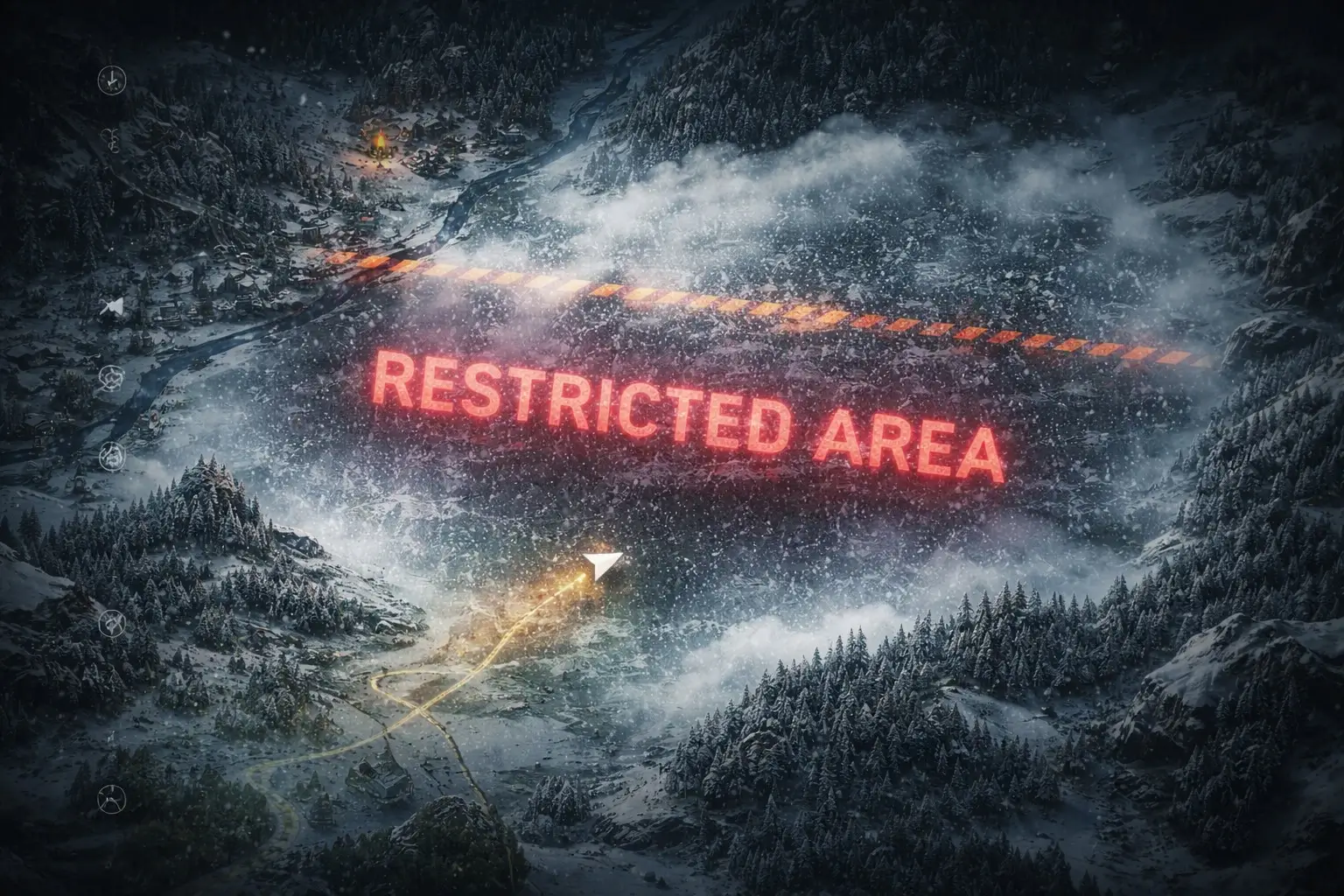
Some games intentionally restrict access through irreversible choices, locked paths, or limited time in order to create a more meaningful and emotionally engaging player experience.
No. In many narrative-driven and artistic games, incompleteness is a deliberate design choice used to reinforce themes, emotional weight, and long-term impact.
For some players, completion means 100% content. From a design perspective, however, true completion means experiencing the core intent of the game—even if not all paths are explored.
Irreversible choices give decisions real consequences. When players cannot undo outcomes, their actions feel more significant and emotionally resonant.
According to the Zeigarnik Effect, unfinished experiences remain more vivid in memory. Games that embrace incompleteness often stay with players long after they finish playing.
No. This approach works best for narrative-focused, experimental, and choice-driven games, and may not suit competitive or purely progression-based genres.
5/
0
What do you think?