Rhythm and Timing: Where Time Meets Emotion in Game Design
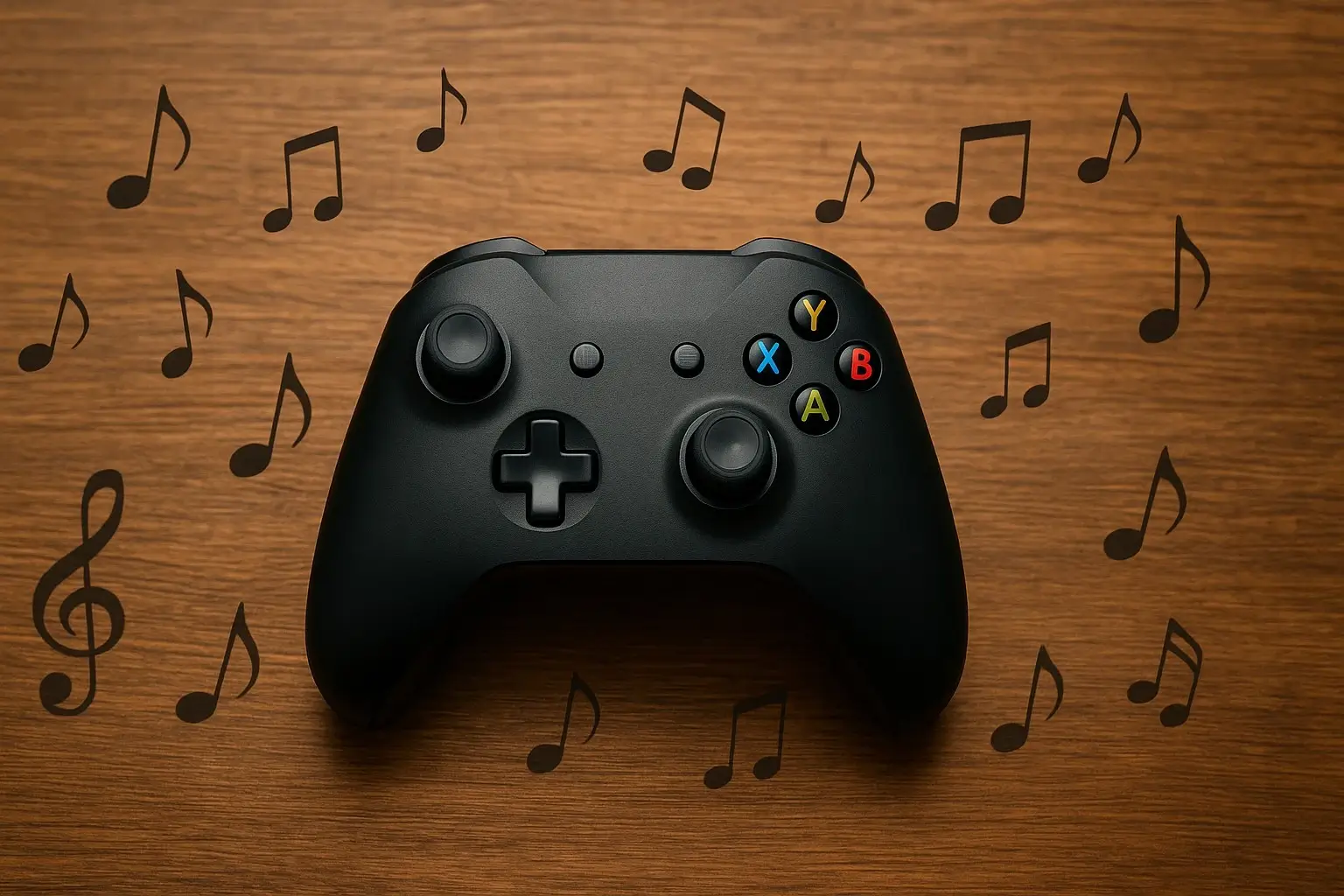
In video games, rhythm refers to the regular pattern of movements, sounds, or events that create a sense of flow and consistency in gameplay. Games like Cuphead and Crypt of the NecroDancer are built entirely around rhythm-based design.
Timing is the precise moment when actions or reactions occur. Good timing enhances responsiveness and control, making gameplay feel smooth and natural, while poor timing breaks immersion.
When rhythm and timing work together, the game feels alive and cohesive. Every movement, sound, and animation syncs perfectly, creating a deeply immersive player experience.
Music acts as a hidden guide for players. Changes in tempo can trigger emotional shifts — fast rhythm increases tension, while slow rhythm creates calm. Proper synchronization between music and action elevates immersion.
Developers use frame-by-frame playtesting, audio-visual feedback, and precise animation curves to fine-tune responsiveness. Immediate feedback keeps players engaged and ensures natural flow in gameplay.
5/
0
What do you think?