Room Design in Video Games: The Art of Creating Spaces That Drive Fear, Excitement, and Storytelling
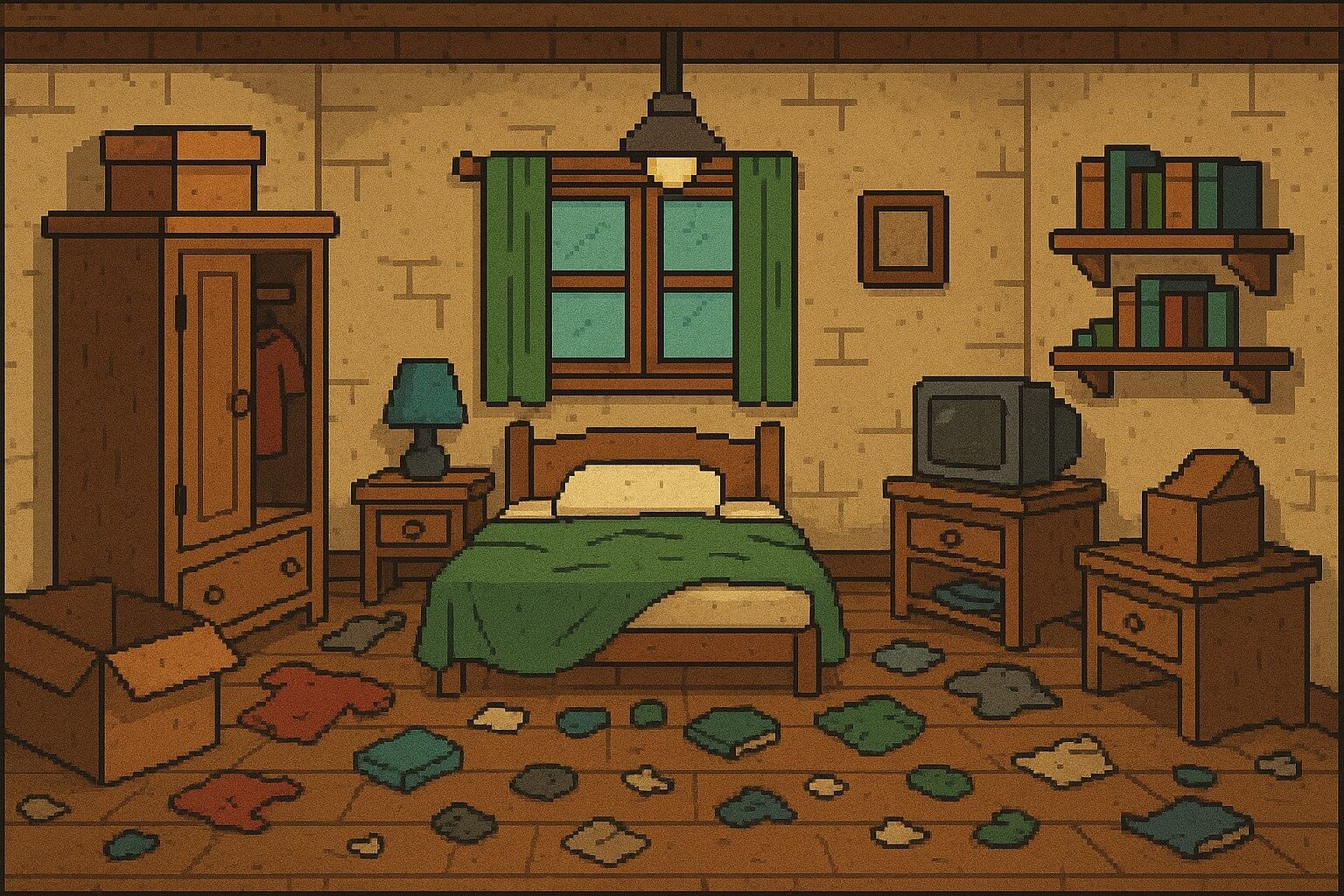
Room Design refers to the layout and arrangement of enclosed spaces in video games. It plays a key role in storytelling, guiding the player, and evoking emotions such as fear, excitement, or relaxation.
Because rooms are controlled environments where developers can manage pacing, atmosphere, and narrative. Without proper room design, the gameplay experience feels flat and repetitive.
Colors, lighting, sounds, and interactivity have the strongest influence. For example, dim lighting and dark colors create fear, while soft light and blue tones bring calmness.
A good Room Design guides players, adds variety, and supports storytelling. A bad Room Design is often cluttered, repetitive, or lacks identity, disrupting the game’s flow.
By using resources wisely, leveraging pre-made assets, applying reusability techniques, building prototypes quickly, and gathering feedback through playtesting.
Each color and lighting setup conveys specific emotions: red for stress and danger, blue for calmness, green for adventure, while dim light enhances fear, warm light adds comfort, and dynamic light increases excitement.
5/
0
What do you think?