Every Move Has a Sound | An In-Depth Look at Interactive Audio in Games
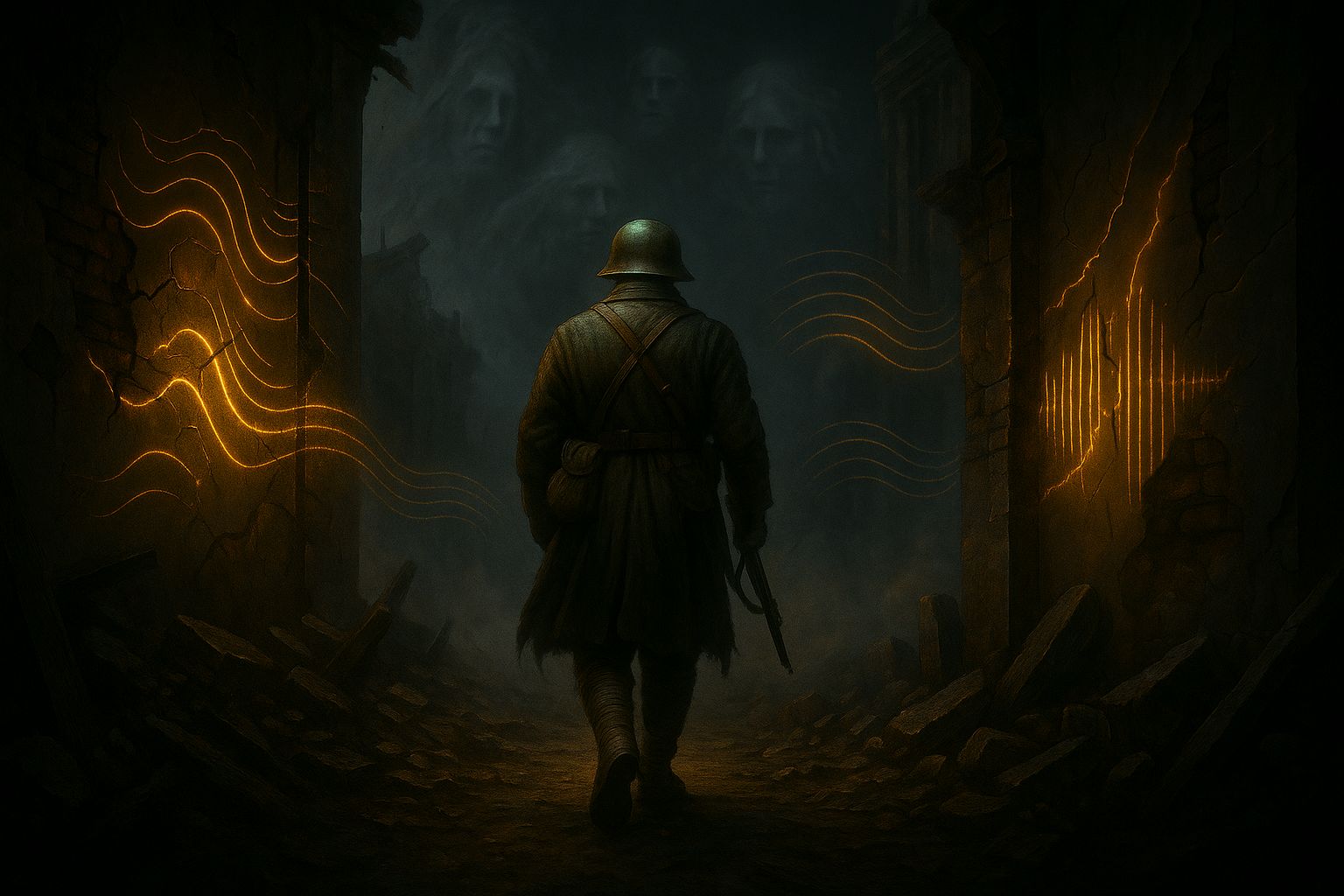
Subtle sounds like footsteps, rope dragging, or button clicks enhance realism and make the gameplay experience deeper and more immersive.
In professional games, sounds are precise, well-synced with animations and environments, while amateur projects often rely on repetitive, low-quality, and unaligned stock sounds.
Popular tools include Wwise, FMOD, Reaper, and Audacity, widely used for professional sound design and game audio implementation.
Ambient sounds like wind, rain, or animal noises immerse players in the game world and reinforce the feeling of a living, dynamic environment.
By blending real-world sounds (such as metal, wind, or leather) and using techniques like Foley and layering, designers can craft believable audio for fantasy items.
Overusing unmodified stock sounds, repeating audio clips without variation, and poor synchronization between sound and animation are the most frequent mistakes.
Yes, indie developers can produce high-quality game audio using free tools, affordable software, and creative sound design techniques without a large budget.
5/
0
What do you think?